

Music has been part of Christian worship for centuries. People sing hymns, listen to sacred music, play instruments, and use songs to express praise, prayer, gratitude, sorrow, and hope. In many churches, music is one of the first things people experience when they gather for worship.
Music can bring people together in a way that spoken words sometimes cannot. A familiar hymn can remind someone of a childhood memory. A quiet song can give comfort during a difficult season. A joyful hymn can help a congregation celebrate together.
Christian worship is about more than music, but music has an important place within it. It helps people take part in worship, reflect on biblical messages, and express what they believe.
From traditional hymns to organ music and congregational singing, music continues to be an important part of church life.
Music in the Bible
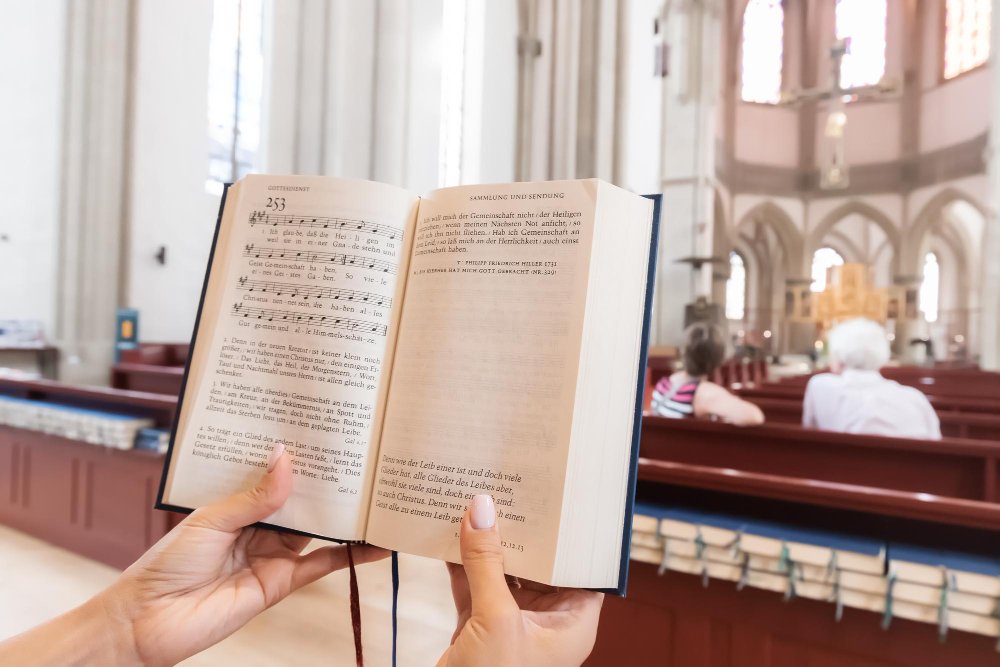
Music is not a new part of Christian worship. The Bible contains many examples of people using songs and instruments to praise God.
The Book of Psalms is one of the clearest examples. Many of the Psalms are songs of praise, prayer, thanksgiving, sorrow, and trust. They show that people have long used music to express many different feelings in their relationship with God.
Psalm 95 encourages people to sing to the Lord and make a joyful noise. Psalm 150 speaks about praising God with different instruments.
The Bible also describes people singing after important moments in their lives. Music was used to celebrate, remember, pray, and give thanks.
These examples show that music can have many purposes in worship.
Singing Helps People Take Part in Worship
One important reason music has a place in Christian worship is that it allows the congregation to participate.
When people sing together, they are not simply watching someone else lead worship. They are using their own voices.
Congregational singing gives everyone an opportunity to take part.
A person does not need to be a trained singer. The purpose is not to give a perfect performance. The purpose is to worship together.
When many voices join together, the church becomes a shared community rather than a group of individuals sitting separately.
Music Helps Express Faith
Some feelings are difficult to explain through ordinary conversation.
A hymn or worship song can give people words for feelings they may not know how to express.
A song may speak about God’s love during a happy time. Another may express grief or a need for comfort. Another may remind people to have faith during difficult circumstances.
Music gives people a way to express these feelings as part of worship.
This is one reason many hymns remain meaningful for generations.
Hymns Teach Biblical Messages
Christian hymns are not only songs. Many contain important teachings about God, Jesus, faith, forgiveness, hope, and Christian life.
For people who sing the same hymn many times, the words can become familiar and easier to remember.
A hymn may help someone remember a Bible lesson long after the worship service has ended.
This makes music a useful part of Christian learning.
Children can learn simple songs about faith. Adults can sing hymns that remind them of teachings they have known for many years.
The words of a hymn can stay in someone’s mind during the week and encourage further thought and prayer.
Music Helps People Remember
People often remember song lyrics more easily than long spoken passages.
A melody can help words stay in the mind.
This is especially useful when songs contain Scripture or Christian teachings.
A person may forget the details of a sermon but remember the words of a hymn they sang that morning.
Later, that song may come back to them during a difficult day.
Music can therefore help carry messages from worship into everyday life.
Music Creates a Sense of Community
Singing together creates a shared experience.
People from different backgrounds can come together and sing the same words.
They may have different ages, jobs, families, and life experiences, but during worship they share the same space and participate in the same songs.
This shared activity can create a strong sense of belonging.
Church is not only about individual faith. It is also about being part of a community.
Music can help strengthen that connection.
The Role of the Choir
Many churches have choirs that support worship through music.
A choir may sing hymns, anthems, responses, or other sacred music.
Choir members spend time practicing and preparing so they can serve the congregation during worship.
Their work also creates opportunities for people to use their musical abilities in service to the church.
A church choir can become more than a music group. Members often build friendships and support one another through shared practice and worship.
The Importance of Organ and Instrumental Music
Church music is not limited to singing.
Instruments such as the organ, piano, guitar, and other instruments can support congregational worship.
Organ music has a long history in Christian worship, particularly in churches where traditional hymns are an important part of Sunday services.
Instrumental music can also create moments of quiet reflection.
Before a service begins, music can help people become calm and prepare their hearts and minds for worship.
Music after a service can also provide a peaceful moment as people leave and continue their day.
Music and Prayer
Music and prayer are closely connected in many Christian traditions.
A hymn can serve as a prayer.
The words of a song may express gratitude, ask for help, or seek God’s presence.
Sometimes people find it easier to pray through a song than through spoken words.
A quiet hymn can give people time to reflect on their lives and bring their concerns before God.
Music does not replace prayer, but it can support prayer and give people another way to communicate their thoughts and feelings.
Music During Difficult Times
Music can be especially meaningful during difficult periods of life.
People experience grief, illness, family problems, loneliness, and many other challenges.
During these times, a familiar hymn can provide comfort.
Some hymns speak about God’s presence during suffering. Others focus on hope, peace, or eternal life.
Hearing or singing these words with other people can remind someone that they are part of a community that cares about them.
This is one reason church music can be meaningful at funerals and memorial services.
Songs can help families remember loved ones and express emotions that may be difficult to put into ordinary words.
Music During Celebrations
Music also has an important role during joyful occasions.
Christmas, Easter, baptisms, weddings, and other church celebrations often include music.
Joyful hymns can help congregations celebrate important moments together.
At Easter, for example, songs of resurrection and hope help express the joy of the Christian message.
At a baptism, music can celebrate a person’s welcome into the Christian community.
At a wedding, hymns can express love, commitment, and faith.
Music gives these occasions a shared voice.
Music Helps Connect Generations
Church music can connect older and younger generations.
An older church member may have sung the same hymn for decades, while a younger person may be hearing it for the first time.
When they sing together, they share something that crosses age differences.
Traditional hymns can help preserve parts of a church’s history.
At the same time, newer songs can give younger members opportunities to express their faith through music.
A healthy church community can make room for different forms of music while keeping the focus on worship.
Music Can Welcome Visitors
Music can also help visitors feel part of a worship service.
A familiar melody can make people feel comfortable even when they are new to a church.
Clear guidance about when to stand, sit, or sing can make participation easier.
A welcoming approach to music does not require visitors to have musical knowledge.
They can listen, participate when comfortable, or simply observe.
The goal is to create a worship environment where people feel respected and included.
Music and Children
Music can help children become comfortable with church.
Simple songs can introduce children to Bible stories, Christian values, and basic ideas about faith.
Children often enjoy singing because it gives them an active role.
Church music can also help children learn that worship is something they can participate in rather than something they only watch.
Children’s songs do not need to be complicated. Simple words and familiar melodies can help them learn and remember important lessons.
Music and Personal Reflection
Music can continue to have an impact after worship ends.
Someone may remember a hymn while driving, working, walking, or spending time at home.
The words may lead them to think about a Bible passage, a prayer, or something they heard during the service.
This gives music a place beyond the church building.
A song can become part of someone’s personal prayer and reflection throughout the week.
Music Is About More Than Performance
It is easy to think of church music as a performance, especially when a choir or musician is leading.
But Christian worship is not meant to be a concert.
The purpose of church music is to support worship and help people participate.
Musicians serve the congregation by helping create an environment where people can sing, listen, pray, and reflect.
A simple hymn sung by the whole congregation can be just as meaningful as a complex musical performance.
The focus remains on worship rather than musical perfection.
The Role of Church Musicians
Church musicians play an important role in preparing worship services.
They may choose music, practice with singers, lead rehearsals, play instruments, and work with clergy and other church leaders.
Their preparation often happens behind the scenes.
A musician may spend hours learning a piece that lasts only a few minutes during a service.
This work supports the congregation and helps create a meaningful worship experience.
Church musicians also provide opportunities for others to become involved.
A person who plays an instrument or enjoys singing may find a place to serve through the church’s music ministry.
Music Brings Faith Into Everyday Life
One of the most meaningful parts of Christian music is its ability to connect worship with everyday life.
A hymn sung on Sunday may come to mind on Tuesday morning.
A song about hope may offer encouragement during a difficult conversation.
A familiar hymn may bring back memories of family members or important moments in life.
Music can remind people of what they believe even when they are away from church.
This connection helps make worship part of everyday living.
How Churches Can Encourage Music Ministry
Churches can support music ministry in many simple ways.
They can encourage congregational singing and welcome people with different levels of musical experience.
They can provide opportunities for children, teenagers, and adults to participate.
They can support choirs, musicians, and music leaders.
Churches can also make room for different musical traditions while keeping worship at the center.
A music ministry grows when people feel that their gifts are welcome.
Someone does not need to be an expert to contribute. A willing singer, an instrumentalist, or someone who helps with music preparation can all play a useful role.
Why Music Still Matters in Christian Worship
Modern life is often busy and noisy. People spend much of their time surrounded by phones, television, social media, work, and other distractions.
Church music provides a chance to slow down.
Singing with others creates a shared moment of attention.
Listening to an organ, piano, choir, or another instrument can help people pause and reflect.
Music gives worship a rhythm and helps people move through different parts of a service.
It can mark moments of celebration, prayer, reflection, and thanksgiving.
Frequently Asked Questions
Why is music used in Christian worship?
Music is used to praise God, express faith, support prayer, teach biblical messages, and help the congregation participate in worship.
Does someone need to be a good singer to join church singing?
No. Congregational singing is about participating in worship, not giving a professional performance. Everyone can take part according to their comfort level.
What role do hymns play in worship?
Hymns can teach Christian beliefs, share biblical messages, express prayer, and help people remember important teachings.
Why are instruments used in church?
Instruments support singing, provide music for reflection, and add another form of musical expression to worship.
Can music help during difficult times?
Yes. Many people find comfort in familiar hymns and sacred music during grief, illness, and other difficult periods. Music can provide words of hope and remind people that they are part of a caring community.
Why is music important for children in church?
Music gives children an active way to participate in worship. Simple songs can also help them remember Bible stories, Christian teachings, and important values.
Conclusion
Music has an important place in Christian worship because it gives people a way to praise, pray, learn, remember, and share faith together. From the songs found in the Bible to the hymns sung in churches today, music has helped Christians express their relationship with God for generations.
A hymn can teach a biblical message. A choir can bring a congregation together. An organ or piano can create a quiet moment for reflection. A simple song can help a child learn about faith. During difficult times, music can offer comfort, and during joyful occasions, it can help people celebrate.
Christian worship is not about musical performance. It is about coming together as a community to worship God. Music supports that purpose by giving people a shared voice and a meaningful way to take part.
For many people, the songs they hear and sing in church become part of their lives. They remember them during celebrations, carry them through difficult days, and share them with future generations.
That is why music continues to hold an important place in Christian worship. It brings people together, carries messages of faith, and gives the church a shared language of praise, prayer, hope, and love.